
Design Your Workspace for Maximum Natural Light and Productivity
The modern office is undergoing a profound transformation, and it’s driven by something as fundamental as daylight. For decades, the standard cubicle design featured tall, opaque walls that not only blocked views and collaboration but also created dark, enclosed spaces that harmed employee well-being. Today’s forward-thinking companies are breaking down these barriers, both literally and figuratively, by embracing low-profile cubicle walls that flood the office with natural light.
At Front Desk Office Furniture, we understand that how your employees work is directly connected to where they work. Natural light isn’t a luxury; it’s a productivity and wellness investment. Research shows that access to natural light can improve productivity by up to 18%, while employees with windows sleep an average of 46 minutes more per night than those in windowless offices. Low-profile cubicle walls are the design solution that makes this benefit accessible throughout your entire office, not just for those lucky enough to sit near windows. We specialize in creating workspaces that balance privacy with openness, functionality with wellbeing, and aesthetic appeal with employee satisfaction. Let’s explore how strategic cubicle design transforms not just your office’s appearance, but your team’s entire work experience.
Why Natural Light Matters More Than You Think
The Productivity and Health Connection
The science is clear: natural light dramatically impacts employee performance. When employees have access to natural light, they report feeling more alert, experiencing fewer headaches (63% reduction), and suffering less eye strain (51% reduction). Beyond these physical benefits, light exposure regulates circadian rhythms, improving sleep quality, mood, and mental health. One Northwestern University study found that the benefits extend to attendance, with employees positioned closer to windows showing up more consistently than those under artificial fluorescent lighting.
Beyond individual wellness, natural light reduces operational costs. Buildings can save up to 40% on lighting energy consumption when offices are designed to maximize daylight. It’s an investment in people and sustainability simultaneously.
The Cubicle Wall Problem
Traditional tall cubicles were designed for one purpose: privacy through isolation. But this approach came with unintended consequences. Tall, opaque walls block natural light from reaching employees deeper in the office, create visual barriers that discourage collaboration, and foster a disconnected, fortress-like environment that contradicts modern work culture.
How Low-Profile Cubicle Walls Transform Your Space
Optimizing Light Distribution
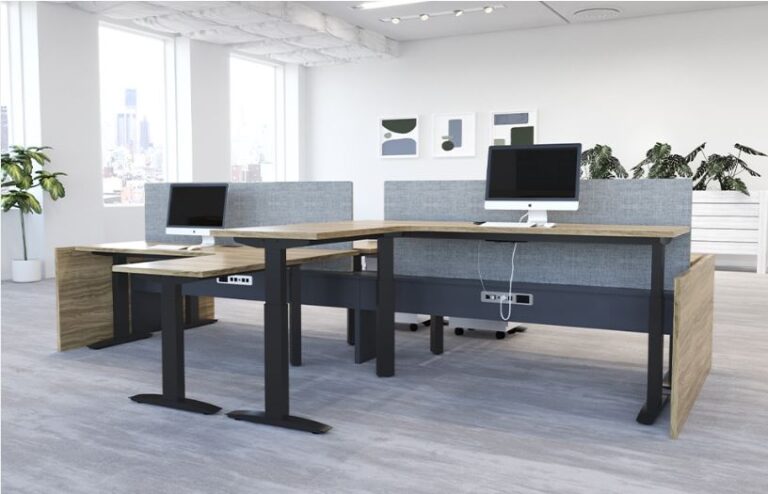
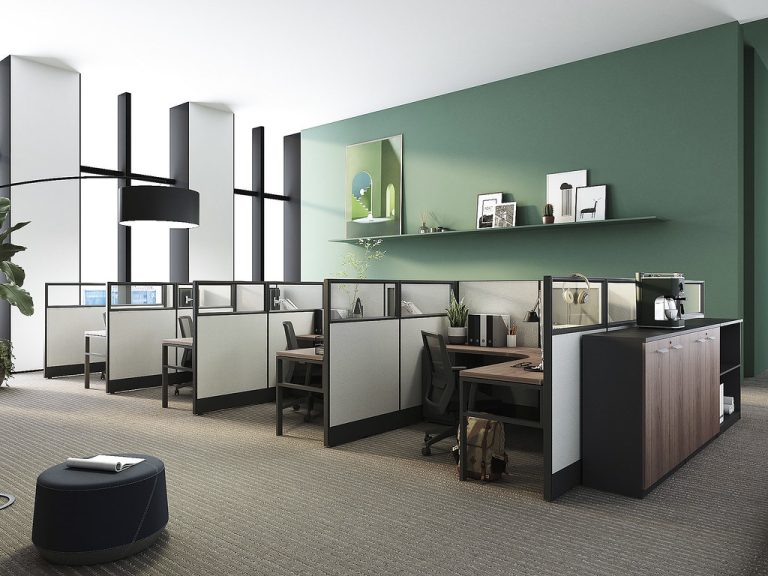
Low-profile cubicle walls, typically 48 to 54 inches in height, allow light to travel freely across the office floor. Unlike traditional 72-inch barriers, these modern partitions permit natural light from windows and skylights to reach workstations throughout your space. Glass or semi-transparent panels further amplify this effect, creating what designers call “visual connectivity” while maintaining necessary privacy.
Strategic placement matters too. When cubicles are arranged with low-profile walls, sight lines open up, allowing employees to see across the office, which psychologically creates a larger, more open environment even when the physical footprint remains the same.
Balancing Privacy with Openness
Modern employees need both focus and collaboration. Low-profile walls strike this balance perfectly. They provide enough physical separation to minimize visual distractions and create a sense of personal workspace, while simultaneously fostering the openness essential for modern teamwork. Employees can conduct confidential conversations without complete isolation, and quick cross-desk collaboration happens naturally without formal meetings.
This design approach aligns with 2025 workplace trends emphasizing flexibility. Many organizations now pair low-profile walls with modular, adjustable partitions that adapt as team needs evolve.
The Wellness and Productivity Benefits
Research from Human Spaces demonstrates that proximity to natural light is associated with a 15% increase in wellbeing and a 6% boost in productivity. When you multiply this across your entire team, the business impact becomes significant. Employees report:
- Improved mood and reduced depression symptoms
- Enhanced focus and concentration
- Better sleep and overall health
- Increased job satisfaction and retention
- Higher engagement with their work
Beyond the human benefits, your office environment becomes a recruitment and retention tool. Modern job candidates, particularly millennials and Gen Z workers, prioritize natural light access. A bright, open office design signals that your company values employee wellbeing.
Design Strategies for Maximum Impact
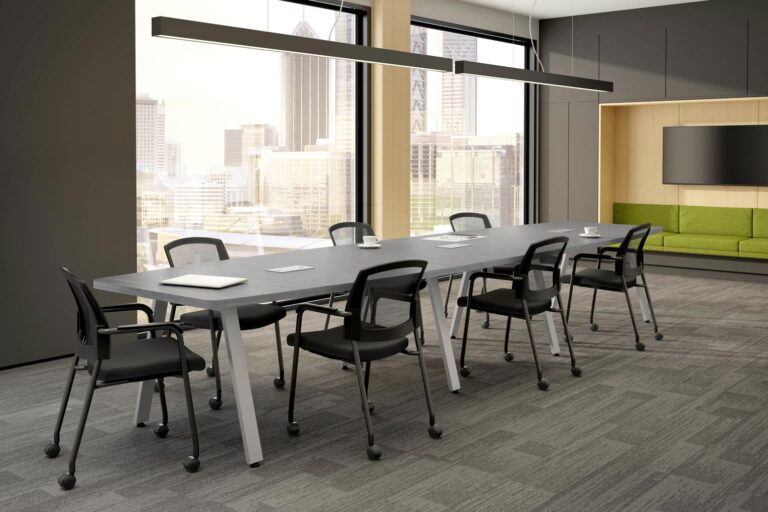
Consider these implementation strategies when planning your office transformation. Position high-traffic areas and collaborative zones near windows to maximize light exposure for the most people. Use light-colored, reflective surfaces on cubicle walls and ceilings to distribute natural light deeper into the space. Incorporate biophilic elements like plants and natural materials to further enhance the health benefits of your workspace redesign.
Transform Your Office Today
The office of 2025 isn’t about choosing between privacy and collaboration, or between individual focus and team interaction. It’s about creating environments where employees can do their best work while feeling valued and energized. Low-profile cubicle walls are a practical, cost-effective way to achieve this balance while flooding your office with the natural light that makes it all possible.
Ready to redesign your workspace? Contact Front Desk Office Furniture today. Our design consultants can evaluate your current layout and create a customized solution that maximizes natural light, improves productivity, and creates an office your team will love working in. Call us for a free workspace assessment and discover how thoughtful furniture design transforms work experience.